
Model Photographer: A Complete Guide to Professional Model Photography
In our previous guide, “Fashion Photography: The Complete Guide to Creating Powerful Fashion Images,” we explored how fashion photography is much more than photographing clothes. It is a combination of styling, lighting, composition, direction and storytelling that gives a brand or collection its visual identity.
At the centre of many fashion photographs is the model.
This is where the role of a model photographer becomes important.
A model photographer does much more than operate a camera. The photographer works with the model to understand expressions, movement, posture, lighting and visual direction while creating photographs that communicate a particular personality, mood or brand identity.
At UrbanPixelites, we approach model photography as a collaborative visual process. Whether the requirement is a professional model portfolio, fashion campaign, editorial shoot, catalogue photography or personal branding, the objective is to create photographs that feel intentional and represent the subject in the right way.
What Is a Model Photographer?
A model photographer specialises in photographing people in a way that highlights their appearance, personality, expressions, movement and ability to communicate in front of the camera.
However, model photography is not limited to taking portraits.
Depending on the purpose of the shoot, a model photographer may create:
- Professional model portfolios
- Fashion campaign photographs
- Editorial images
- Catalogue photographs
- Beauty portraits
- Lifestyle photographs
- Commercial portraits
- Personal branding images
- Social media content
- Casting and portfolio images
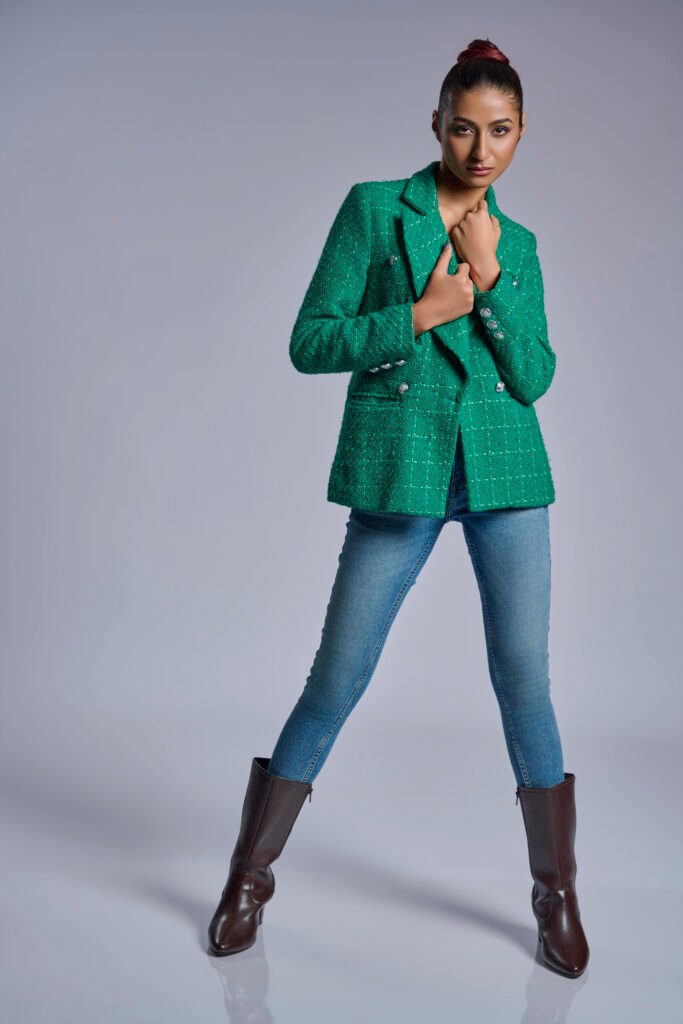
Each requirement demands a slightly different approach.
For example, a model portfolio needs to demonstrate versatility. A fashion campaign needs to communicate the identity of a collection. A catalogue shoot needs consistency and clarity, while an editorial shoot may allow greater creative experimentation.
A professional model photographer understands these differences before the camera is even switched on.
At UrbanPixelites, this understanding forms an important part of planning a shoot. We begin by considering what the images are intended to achieve rather than treating every model photography session in exactly the same way.
Model Photography and Fashion Photography
Model photography and fashion photography are closely connected, but they are not necessarily identical.
Fashion photography is primarily about presenting clothing, accessories and a brand through a visual story. The model contributes to that story, but the clothing and brand identity remain important elements.
Model photography can place greater emphasis on the individual.
The objective may be to demonstrate a model’s facial features, expressions, posing ability and versatility.
A good model photographer needs to understand when the model should be the primary focus and when the model needs to work as part of a larger visual concept.
This is particularly important for fashion brands.
At UrbanPixelites, a fashion campaign is approached as a combination of model, styling, product and visual direction. The model should complement the clothing rather than compete with it, while still bringing enough personality to make the photograph engaging.
This connection between the model and fashion is also what makes model photography such an important part of the wider fashion photography process.
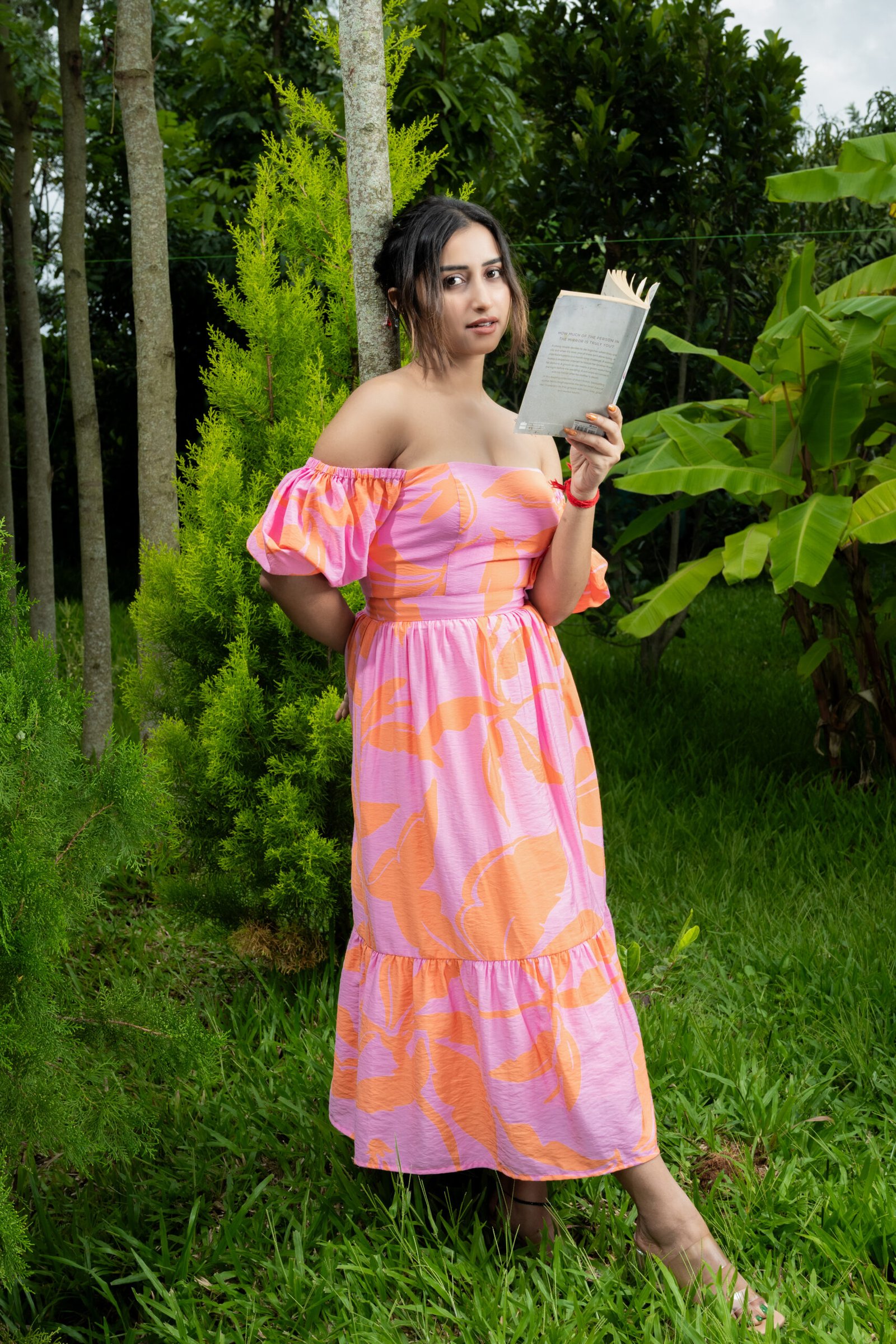
How to Choose the Right Model Photographer
Choosing a model photographer should begin with understanding the type of photographs you actually need.
Start by looking at the photographer’s portfolio.
Instead of only asking whether the photographs look good, look at how the photographer handles different situations.
Does the portfolio show different models?
Are the expressions natural?
Is there variety in posing?
Does the photographer understand lighting?
Are the photographs suitable for both studio and outdoor environments?
Does the photographer’s style match the kind of images you want?
These questions can tell you much more than simply looking at the number of followers a photographer has.
At UrbanPixelites, our approach is built around adapting the visual treatment according to the requirement. A model portfolio, a fashion campaign and an e-commerce catalogue are not approached with identical lighting, composition or direction.
The final photographs should serve a purpose.

Why Direction Matters in Model Photography
One of the biggest differences between an ordinary photograph and a professionally directed model photograph is often what happens behind the camera.
A model may look confident and experienced, but even experienced models benefit from good direction.
A model photographer may guide the model through subtle changes in:
- Head position
- Shoulder placement
- Hand positioning
- Body angle
- Weight distribution
- Eye direction
- Facial expression
- Movement
These adjustments can completely change the way a photograph feels.
At UrbanPixelites, direction is treated as part of the photography rather than something separate from it. Instead of expecting the model to repeatedly create new poses independently, the photographer can build a sequence of movements and expressions.
This produces a wider range of photographs while keeping the model comfortable and natural.

The Importance of Posing
Posing is one of the most important aspects of working with a model photographer.
Good posing does not necessarily mean complicated poses.
Often, the strongest photographs come from very small adjustments.
A slight turn of the body can create better lines. Moving one shoulder can change the silhouette. A small adjustment to the chin can improve the way light falls across the face.
A professional model photographer understands these details and knows how they translate through the camera.
For portfolio photography, posing should also demonstrate versatility.
Instead of creating twenty photographs with almost identical poses, UrbanPixelites focuses on creating a range of images that can demonstrate different sides of the model.
This may include clean portraits, full-length poses, movement, fashion-oriented poses and more expressive editorial frames.

Expressions Make the Photograph
A technically perfect photograph can still feel empty if the expression does not fit the concept.
This is why expression is an important part of model photography.
Different concepts require different emotional directions.
A luxury fashion campaign may need a controlled and confident expression.
A streetwear campaign might require attitude and energy.
A beauty photograph may require a softer and more focused expression.
An editorial shoot may allow something more unusual or experimental.
A good model photographer knows that simply telling someone to “look serious” or “look happy” is not always enough.
Instead, the photographer can create a comfortable environment and use direction that helps the required expression happen naturally.
At UrbanPixelites, communication during the shoot is therefore just as important as the technical setup.

Lighting for Model Photography
Lighting can completely transform a model photograph.
The same person photographed under soft, diffused light can look completely different when photographed using a harder, directional source.
A model photographer needs to understand how light affects facial structure, skin texture, clothing and the overall mood of an image.
Studio photography offers considerable control.
Soft lighting can produce clean and flattering portraits.
Directional lighting can introduce depth and stronger shadows.
Side lighting can emphasise facial structure.
Backlighting can create separation between the model and the background.
Hard light can create a more dramatic and editorial appearance.
At UrbanPixelites, studio lighting is selected according to the intended visual direction rather than simply using the same setup for every shoot.
The objective is not to make the lighting complicated.
The objective is to make it appropriate.
Model Photographer for Professional Portfolios
For aspiring and established models, one of the most important uses of a model photographer is portfolio development.
A model portfolio should communicate versatility.
A casting director, agency or brand should be able to look at the images and understand how the model performs in front of a camera.
A strong portfolio may include:
- Headshots
- Beauty portraits
- Full-length photographs
- Profile images
- Fashion photographs
- Commercial expressions
- Editorial photographs
- Different styling looks
The photographer should therefore think about the portfolio as a complete collection rather than a group of individual photographs.
At UrbanPixelites, portfolio shoots can be planned around multiple looks and visual directions so that the final collection feels varied without becoming inconsistent.
The goal is to show the model rather than overwhelm the portfolio with unnecessary effects.

Model Photography for Fashion Brands
For brands, hiring a model photographer can be part of a larger campaign production.
The photographer needs to understand the brand before photographing the model.
Who is the target audience?
What does the collection represent?
Is the brand contemporary, minimal, traditional, youthful, luxury or experimental?
What should the audience feel when they see the campaign?
These questions influence everything from the choice of lighting to the model’s expression.
At UrbanPixelites, fashion campaigns are planned with this broader perspective in mind.
A photograph may need to highlight the garment’s silhouette in one frame, while another may focus on the model’s expression and attitude.
The images should work individually while also feeling connected when presented together as a campaign.
Studio Model Photography vs Outdoor Photography
A model photographer can work in many environments, but studio and outdoor photography offer very different possibilities.
A studio provides greater control over lighting, backgrounds and composition.
It is particularly useful for:
- Model portfolios
- Beauty photography
- Catalogue shoots
- E-commerce photography
- Controlled fashion campaigns
- Editorial portraits
Outdoor photography introduces environmental elements into the frame.
Architecture, streets, natural textures and available light can become part of the photograph.
A streetwear campaign photographed in an urban location, for example, will naturally communicate something different from a minimalist studio campaign.
At UrbanPixelites, the choice between studio and location is based on the visual objective of the project.
The location should contribute to the photograph rather than simply being selected because it looks attractive.
The Role of Styling and Makeup
A successful model photograph is rarely created by the photographer alone.
Styling, makeup and hair can have a significant influence on the final result.
A model photographer needs to understand how these elements interact with the camera and lighting.
Makeup that looks subtle in person can appear different under studio lighting. Similarly, certain fabrics and colours can react differently depending on the lighting setup.
Styling also influences posing.
A structured garment may require a different approach to movement compared with flowing fabric.
At UrbanPixelites, these considerations are part of the larger production process. The photographer, model and creative team need to work in the same visual direction.
When every element supports the concept, the photographs naturally feel more cohesive.
Communication Between the Model and Photographer
A successful shoot depends heavily on communication.
A model should feel comfortable asking questions, trying different poses and receiving direction.
At the same time, a model photographer needs to communicate clearly without making the process unnecessarily complicated.
Simple instructions can often be more effective than lengthy posing explanations.
“Turn slightly.”
“Bring your shoulder forward.”
“Look past the camera.”
“Relax your hands.”
“Hold that position.”
Small instructions like these allow the photographer to make precise adjustments without interrupting the model’s performance.
At UrbanPixelites, creating this working relationship is an important part of the shoot. When the model understands the visual direction and feels comfortable with the photographer, better photographs tend to follow naturally.
Post-Production in Model Photography
Photography continues after the shoot.
Professional post-production helps refine the final images and maintain consistency across the complete set.
Depending on the project, this may include:
- Colour correction
- Exposure adjustments
- Skin refinement
- Background cleanup
- Clothing corrections
- Contrast and tonal adjustments
- Cropping and framing
- Final image preparation
The amount of retouching should depend on the purpose of the photograph.
A beauty campaign may require detailed retouching, while a natural model portfolio may benefit from a lighter approach.
A good model photographer understands that retouching should support the photograph rather than remove the individuality of the person.
At UrbanPixelites, the final image is considered as part of the complete visual process—from concept and lighting to direction and finishing.
Preparing for a Model Photography Shoot
Preparation can make the entire shoot more efficient.
Before working with a model photographer, it helps to establish the purpose of the shoot and prepare the necessary references.
Consider:
- Number of outfits
- Styling direction
- Hair and makeup
- Desired locations
- Background requirements
- Mood references
- Posing references
- Number of final photographs
- Intended use of the images
For brands, it is also useful to establish whether the photographs are intended for a website, social media, advertising campaign, catalogue or multiple platforms.
At UrbanPixelites, understanding these requirements before production allows the team to build the shoot around the final objective.
What Makes a Good Model Photographer?
The camera is only one part of model photography.
A strong model photographer combines technical understanding with observation, communication and creative direction.
They need to recognise when a pose is working.
They need to notice when the light is creating the right expression.
They need to know when to make another adjustment and when to allow the model to move naturally.
Most importantly, they need to understand the purpose behind the photograph.
This is what separates simply taking pictures from creating professional model photography.
At UrbanPixelites, our approach brings together photography, direction, lighting and production to create images that are relevant to the individual, model or brand being photographed.
Final Thoughts
Finding the right model photographer is not simply about finding someone with a good camera or an impressive portfolio.
It is about finding someone who understands how to photograph people with intention.
A strong model photograph combines expression, posing, lighting, styling, composition and direction. When these elements work together, the resulting image can communicate confidence, personality and visual identity without needing an explanation.
Whether you are an aspiring model building your first portfolio, an established model refreshing your images, or a fashion brand preparing its next campaign, the right photography approach can make a significant difference.
At UrbanPixelites, we see model photography as an extension of the larger fashion photography process. Our work brings together creative direction, studio photography, lighting, styling and visual storytelling to create images designed for modern portfolios, campaigns and brands.
Because model photography is not simply about showing someone in front of a camera.
It is about understanding how they should be seen.
And that is where the right model photographer makes the difference.
