
Fashion Photography: From Concept to Campaign — A Complete Guide for Fashion Brands
Fashion is visual before it is anything else.
Before a customer reads the story behind a collection, checks the fabric composition, looks at the price, or explores the brand’s website, they encounter an image. That first image can influence whether they stop scrolling, explore the collection, remember the brand, or move on.
This is why fashion photography has become an important part of modern brand building.
For a fashion brand, photography is not simply about showing what a garment looks like. It is about communicating the character, quality, lifestyle, and positioning of the brand through visuals.
A luxury label may require sophisticated lighting, controlled compositions, and refined styling. A streetwear brand may need movement, urban environments, direct flash, and an energetic visual language. An e-commerce brand may prioritize consistency, accurate colors, garment details, and multiple product angles.
The photography approach changes according to the objective.
At UrbanPixelites, we approach fashion photography as a complete visual production rather than an isolated camera shoot. Creative direction, styling, lighting, model direction, composition, production, and post-production all contribute to creating imagery that works for the brand across multiple platforms.
Whether you are launching a new fashion label, photographing a seasonal collection, building an e-commerce catalogue, or planning a campaign, understanding how professional fashion photography works can help you make better production decisions.
What Is Fashion Photography?
Fashion photography is the professional practice of photographing clothing, accessories, models, and fashion concepts in a way that communicates a visual idea or brand identity.
It can be commercial, editorial, artistic, or a combination of all three.
Unlike straightforward product photography, fashion photography often places the garment within a larger visual context. The model, styling, location, lighting, movement, and composition work together to create a particular perception.
A successful fashion photograph can communicate:
- The personality of a collection
- The positioning of a fashion brand
- The lifestyle associated with the clothing
- The intended customer
- The mood of a campaign
- The quality and construction of a garment
- The designer’s creative direction
- The season or cultural context of a collection
This makes fashion photography particularly important for brands that want to establish a recognizable visual identity.
A photograph should not merely answer, “What does this garment look like?”
For campaign photography, it should also answer:
“What does this brand feel like?”
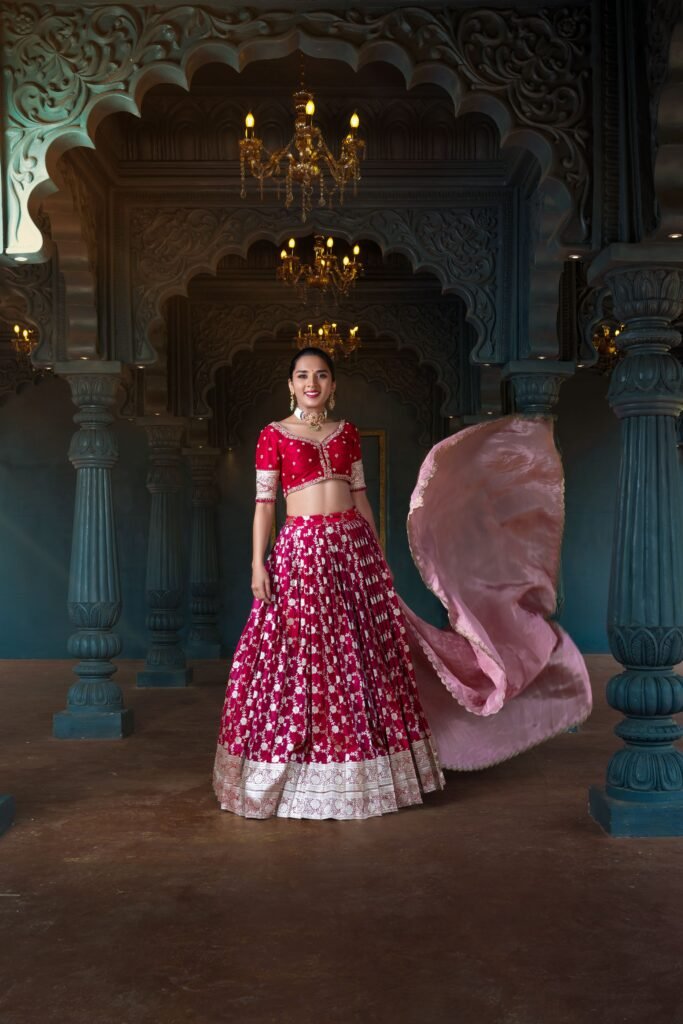
Why Fashion Photography Matters for a Fashion Brand
Fashion brands compete in an environment where customers are exposed to thousands of visual messages every day.
Instagram feeds, websites, advertisements, marketplaces, lookbooks, digital campaigns, and creator content all compete for attention.
Professional fashion photography gives brands the ability to control how they are visually perceived.
1. It Creates the First Impression
A potential customer may discover a brand through a single campaign image.
That image can immediately communicate whether the brand feels:
- Premium
- Contemporary
- Youthful
- Minimal
- Traditional
- Experimental
- Luxurious
- Casual
- Urban
Strong photography makes the first interaction intentional.
2. It Establishes Brand Identity
Consistent photography creates recognition.
When a brand consistently uses particular lighting styles, compositions, colors, locations, styling approaches, and retouching techniques, its visual identity becomes easier to recognize.
3. It Increases Perceived Product Value
Presentation influences perception.
The same garment can feel dramatically different depending on how it is photographed.
Professional lighting can reveal fabric texture. Careful styling can improve the silhouette. Appropriate composition can make a collection appear more refined.
Photography therefore becomes part of the perceived value of the product.
4. It Creates Content Across Multiple Platforms
One well-planned fashion production can generate content for:
- Websites
- E-commerce stores
- Digital advertisements
- Lookbooks
- Catalogues
- Brochures
- Marketplace listings
- Email campaigns
- Brand presentations
This makes a professionally planned production more valuable than simply obtaining a few attractive photographs.
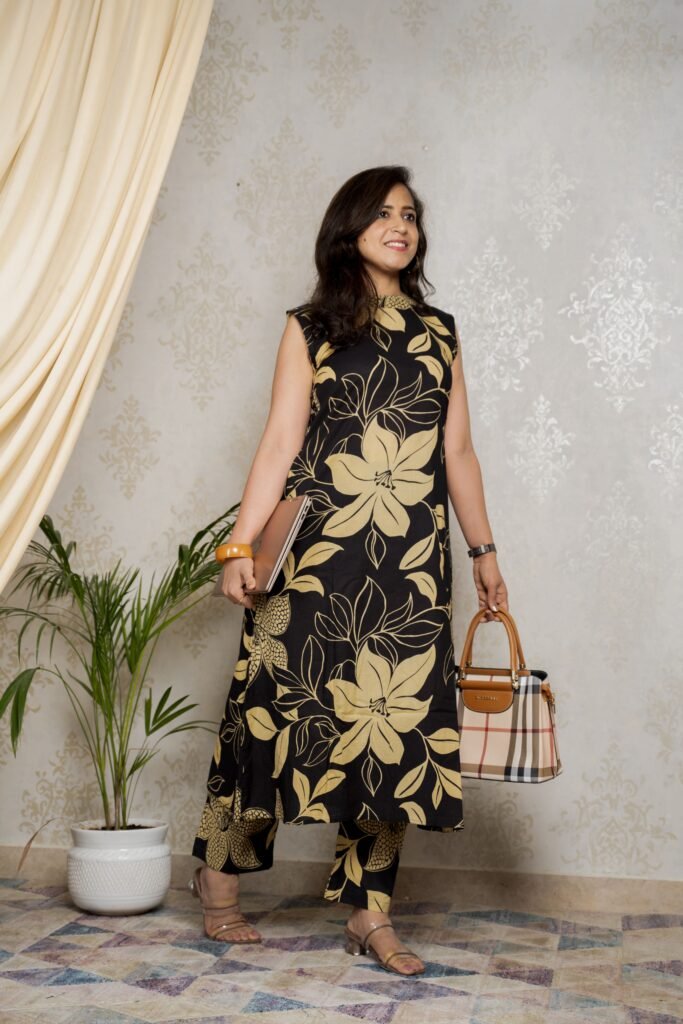
Types of Fashion Photography
There is no single format that works for every fashion brand.
The right approach depends on the purpose of the shoot.
Fashion Campaign Photography
Campaign photography is created around a particular collection, launch, season, collaboration, or brand message.
The emphasis is on creating a cohesive visual story.
Campaign production may include:
- Hero images
- Full-length photographs
- Portraits
- Lifestyle photographs
- Detail shots
- Movement photographs
- Environmental images
- Social media assets
A campaign should feel like one visual world rather than a collection of unrelated photographs.
Editorial Fashion Photography
Editorial fashion photography places greater emphasis on concept and artistic direction.
The clothing remains central, but the image may communicate a broader narrative.
Editorial shoots can involve unusual locations, experimental compositions, dramatic lighting, conceptual styling, or unconventional posing.
They are commonly used for:
- Fashion publications
- Designer portfolios
- Creative campaigns
- Magazine submissions
- Brand storytelling
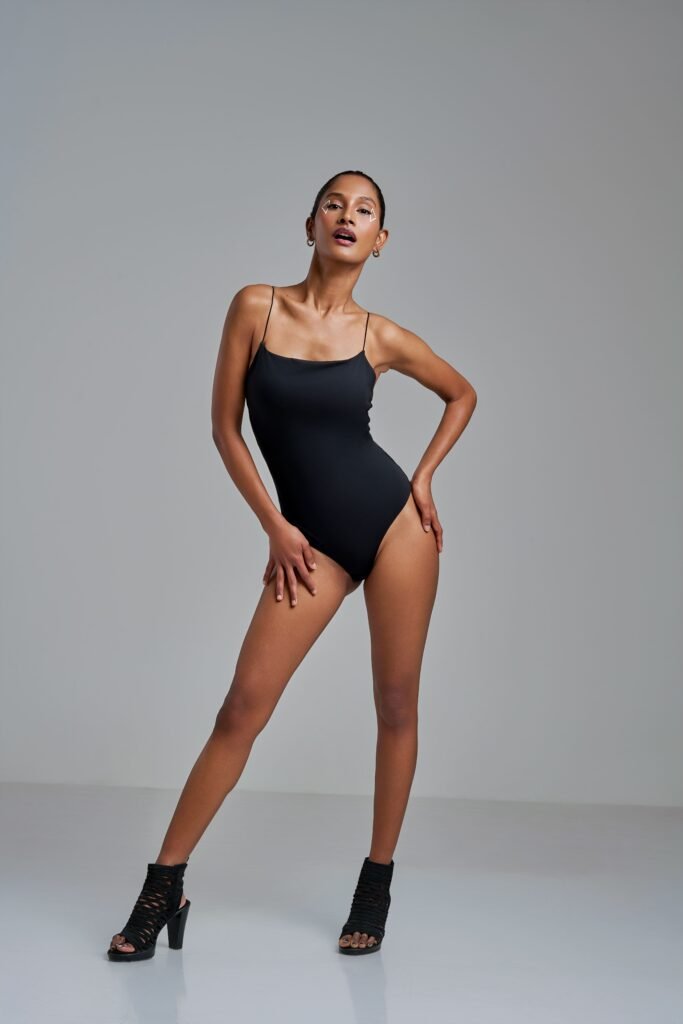
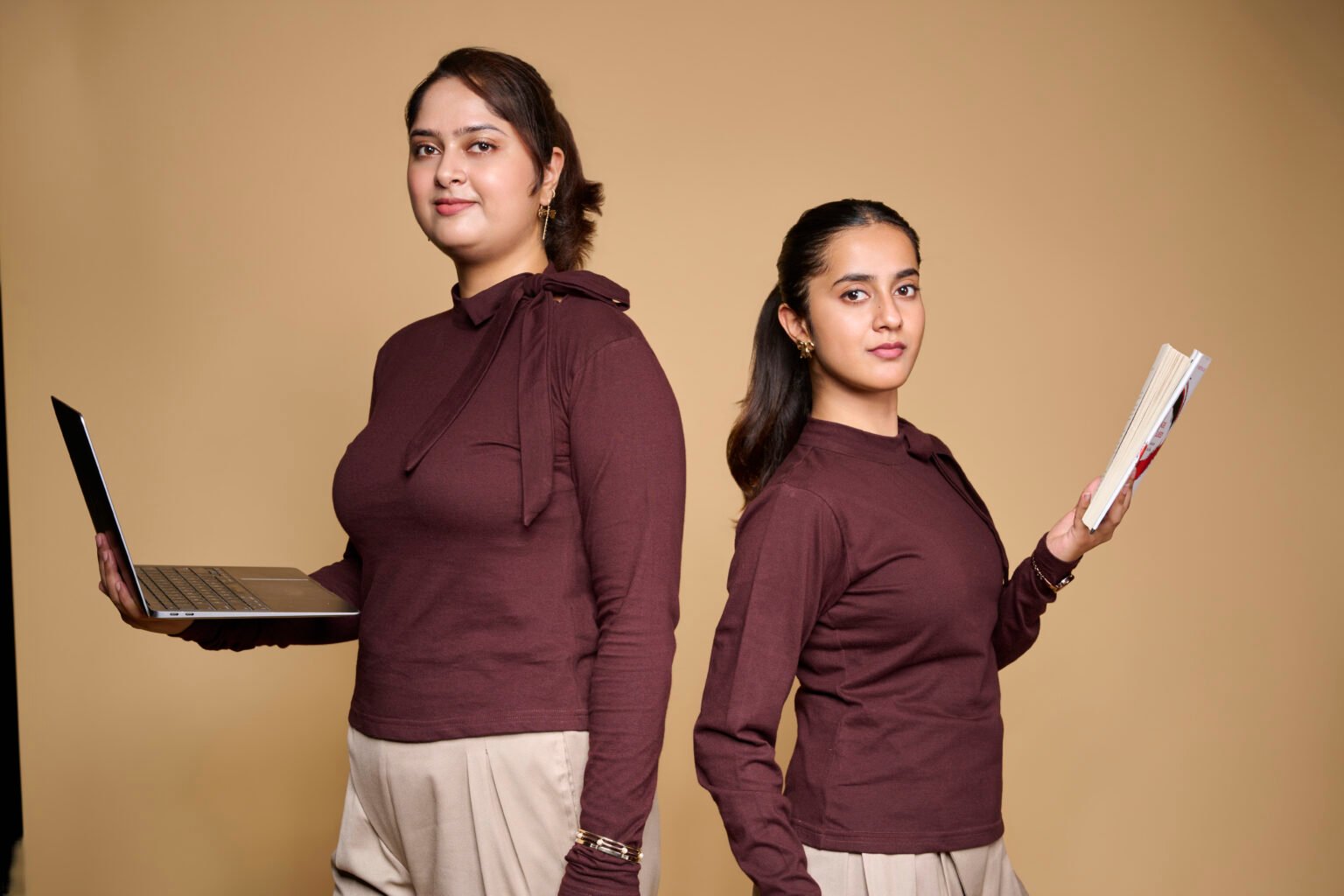
Catalogue Fashion Photography
Catalogue photography prioritizes clarity and consistency.
The objective is to help customers understand the garment.
Typical images may include:
- Front view
- Back view
- Side profile
- Three-quarter view
- Full-length image
- Detail photograph
- Fabric close-up
For larger collections, consistency becomes particularly important.
The same lighting, framing, model positioning, and background treatment can create a professional and organized catalogue.
E-Commerce Fashion Photography
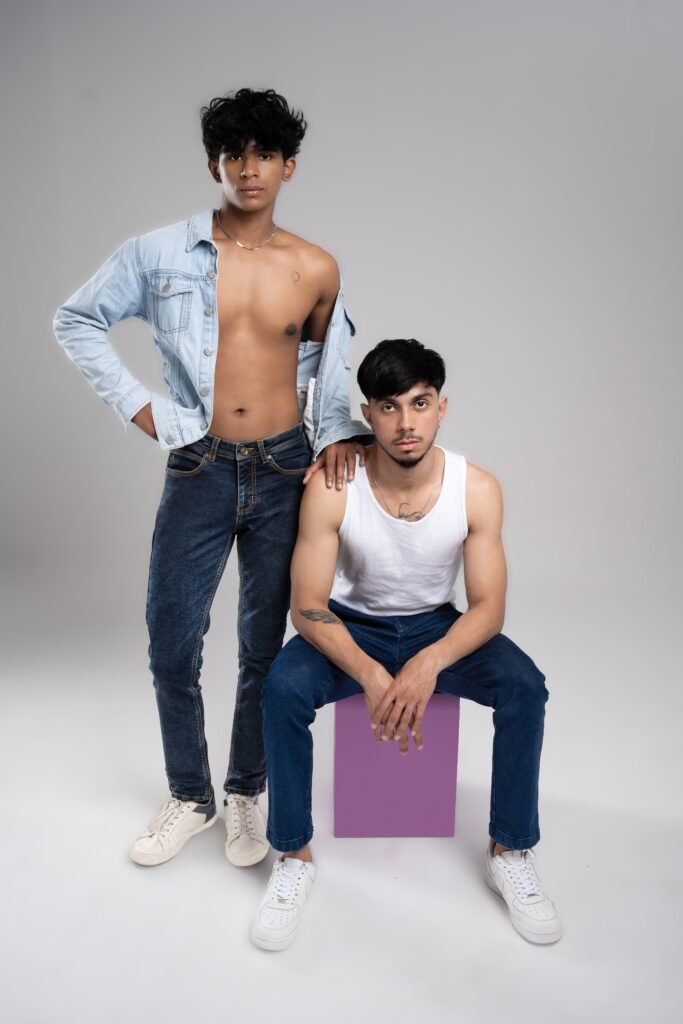
Online customers cannot physically touch or try on a garment.
Photography therefore needs to communicate as much information as possible.
Good e-commerce fashion photography should help customers understand:
- Fit
- Silhouette
- Color
- Texture
- Construction
- Details
- Proportions
- Styling
The objective is not necessarily to create the most artistic photograph.
It is to create the most useful visual representation of the product while maintaining the brand’s aesthetic.
Lookbook Photography
A lookbook combines products into a curated visual collection.
Instead of presenting every garment as an isolated product, lookbook photography demonstrates how pieces work together.
Lookbooks are useful for:
- Fashion launches
- Seasonal collections
- Designer labels
- Wholesale presentations
- Brand websites
- Retail campaigns
Streetwear Fashion Photography
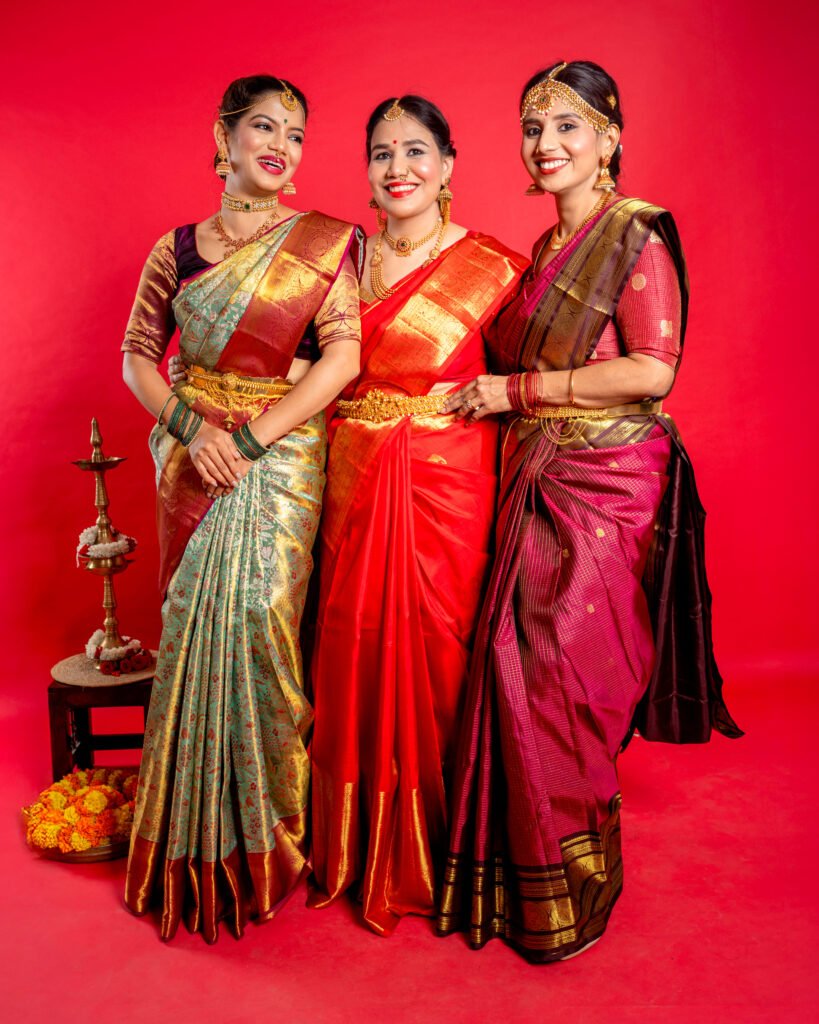
Streetwear requires a distinct visual approach.
Urban architecture, industrial environments, concrete textures, movement, flash photography, and unconventional compositions can complement streetwear collections.
The location should feel connected to the brand’s audience and identity.
A streetwear campaign does not necessarily need a complicated set. Sometimes a strong location, controlled lighting, confident model direction, and appropriate styling are enough to create a compelling campaign.
Lifestyle Fashion Photography
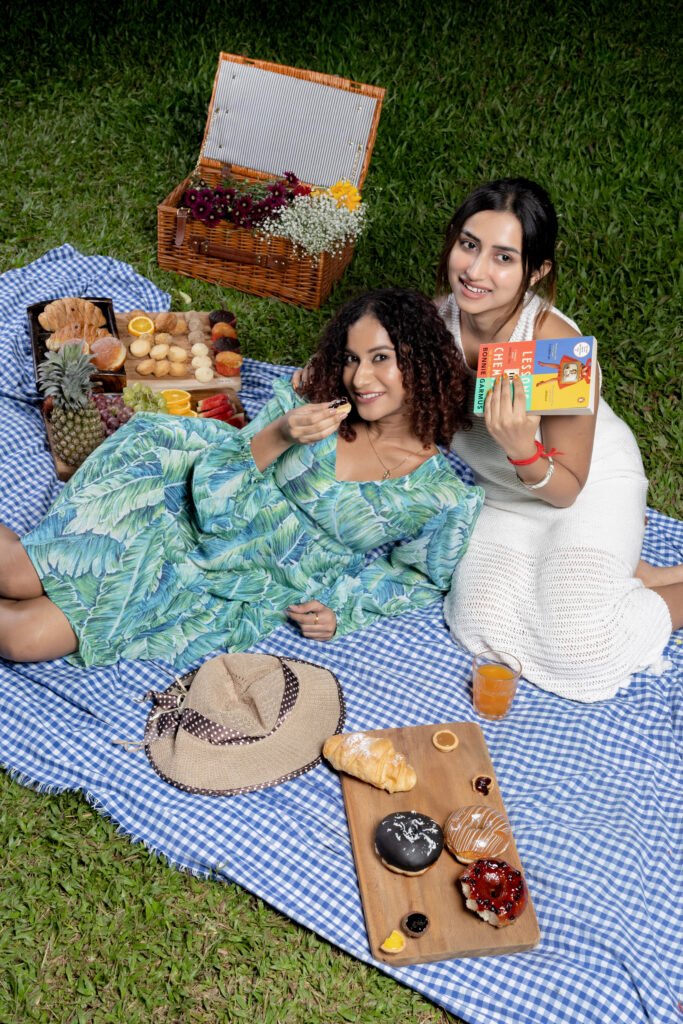
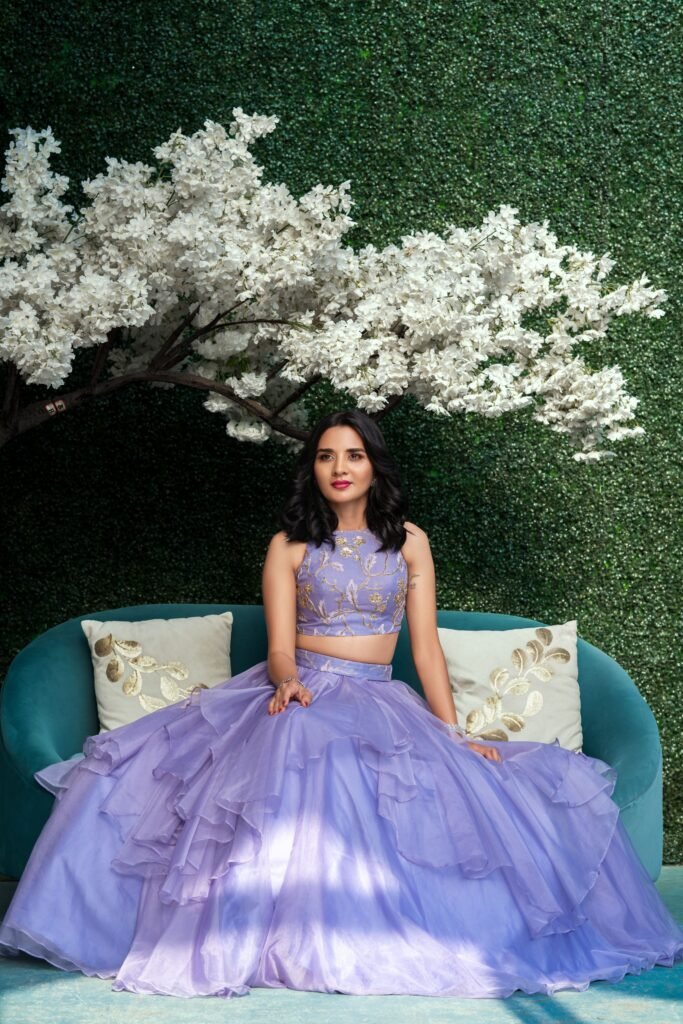
Lifestyle photography places clothing within an everyday environment.
A model might be photographed walking through a city, sitting in a café, travelling, interacting with friends, or moving through a modern interior.
This style helps customers imagine how the clothing fits into their own lives.
What Makes Professional Fashion Photography Different?
Professional fashion photography is the result of several creative decisions working together.
The camera is only one part of the process.
Creative Direction
Creative direction defines what the photographs should communicate.
Before production begins, the team should understand:
- What is the collection?
- Who is the target audience?
- What is the brand’s personality?
- What makes the collection different?
- What emotion should the photographs create?
- Where will the images be used?
A clear creative direction prevents the shoot from becoming a series of disconnected poses.
Art Direction
Art direction translates the concept into physical and visual elements.
This can involve:
- Locations
- Backgrounds
- Props
- Sets
- Colors
- Composition
- Lighting references
- Graphic elements
For campaign-oriented fashion photography, art direction can significantly influence the final result.
Styling
Styling determines how garments are presented.
It can involve decisions around:
- Outfit combinations
- Accessories
- Shoes
- Jewelry
- Layering
- Color
- Silhouette
- Props
Good styling ensures that the clothing looks intentional rather than simply placed on a model.
Model Direction
A model is not simply standing in front of the camera.
Professional direction helps determine:
- Posture
- Expression
- Movement
- Hand placement
- Body angles
- Walking
- Interaction with the environment
The model’s body language should support the garment and the campaign concept.
Lighting
Lighting influences almost every visual characteristic of a photograph.
It determines:
- Shadow
- Contrast
- Texture
- Depth
- Skin appearance
- Garment detail
- Background separation
- Overall mood
Soft light may work beautifully for elegant apparel, while hard directional lighting can create a stronger editorial character.
There is no universally correct lighting setup.
The right lighting is the lighting that supports the visual objective.
How a Professional Fashion Photoshoot Works
The final photograph begins long before the shoot day.
A professional fashion photography production generally follows a structured process.
Step 1: Understanding the Brand
The first step is understanding the brand.
The production team should learn about:
- Brand positioning
- Target audience
- Collection
- Competitors
- Price positioning
- Existing visual identity
- Marketing platforms
Without understanding the brand, it is difficult to create photography that feels authentic.
Step 2: Developing the Concept
The concept provides the foundation for the production.
For example, a collection might require a:
- Minimal studio concept
- Contemporary urban campaign
- Luxury editorial
- Traditional cultural setting
- Resort lifestyle campaign
- Youth-oriented streetwear concept
The concept influences every subsequent decision.
Step 3: Creating a Moodboard
A moodboard communicates the intended visual direction.
It can include references for:
- Lighting
- Posing
- Styling
- Locations
- Hair
- Makeup
- Color
- Composition
- Backgrounds
A moodboard ensures that everyone involved in the production understands the same visual objective.
Step 4: Selecting Models
Model selection should be based on the brand rather than simply appearance.
Consider:
- Age representation
- Facial characteristics
- Body language
- Experience
- Movement
- Personality
- Ability to communicate the collection
The right model can significantly improve the authenticity of a campaign.
Step 5: Styling and Preparation
Garments should be inspected before production.
Check for:
- Wrinkles
- Loose threads
- Stains
- Missing buttons
- Damaged pieces
- Incorrect sizes
- Styling requirements
Professional steaming and preparation can make a substantial difference to the final photographs.
Step 6: Studio or Location Planning
The production environment should support the concept.
A studio provides control over:
- Lighting
- Background
- Shadows
- Composition
- Set design
An outdoor location can provide:
- Environmental context
- Natural textures
- Architecture
- Movement
- Lifestyle storytelling
Step 7: Shoot Production
During the shoot, the photographer works with the model, stylist, and creative team to execute the planned concept.
However, the process should remain flexible.
Sometimes an unexpected pose, reflection, shadow, or environmental element creates a better image than the original plan.
Step 8: Image Selection
After the shoot, photographs are reviewed and selected based on:
- Composition
- Expression
- Garment presentation
- Focus
- Lighting
- Brand consistency
Not every technically perfect photograph needs to become a final image.
Step 9: Retouching
Post-production can include:
- Color correction
- Exposure adjustments
- Skin retouching
- Garment cleanup
- Background refinement
- Dust removal
- Texture enhancement
- Cropping
The goal should be refinement.
Over-retouching can remove fabric texture and make the clothing appear unrealistic.
Studio vs Outdoor Fashion Photography
One of the most common decisions brands face is whether to photograph their collection in a studio or on location.
Both approaches can produce excellent results.
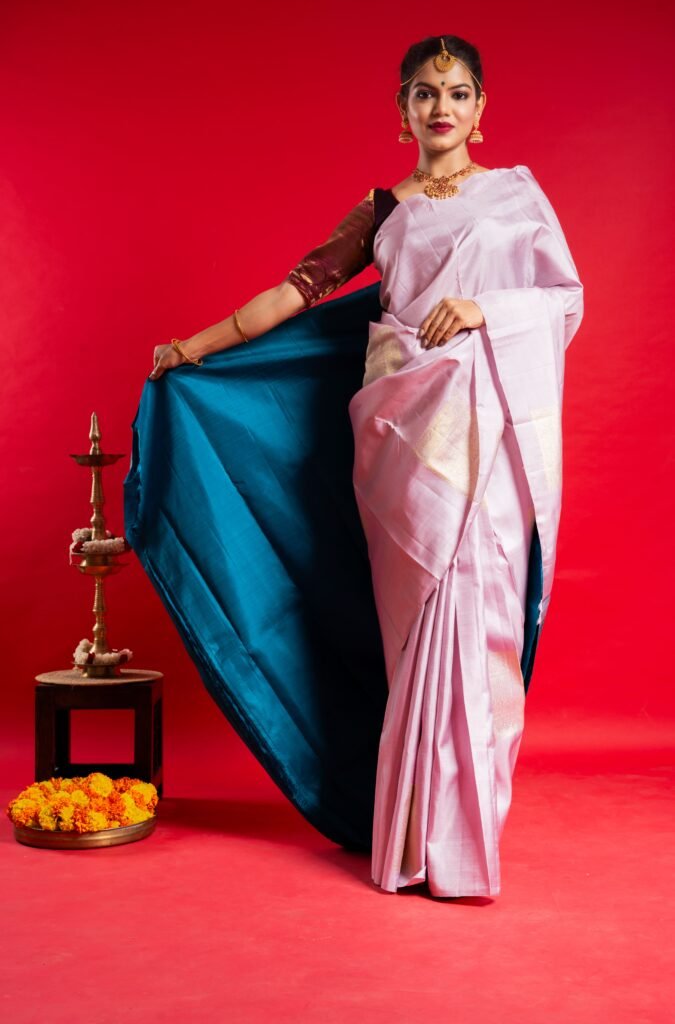
Studio Fashion Photography
A studio provides controlled conditions.
This is especially useful for:
- E-commerce
- Catalogues
- Lookbooks
- Consistent collections
- Controlled campaigns
- Product-focused imagery
Studio production also allows the team to experiment with different lighting setups without depending on weather or changing sunlight.
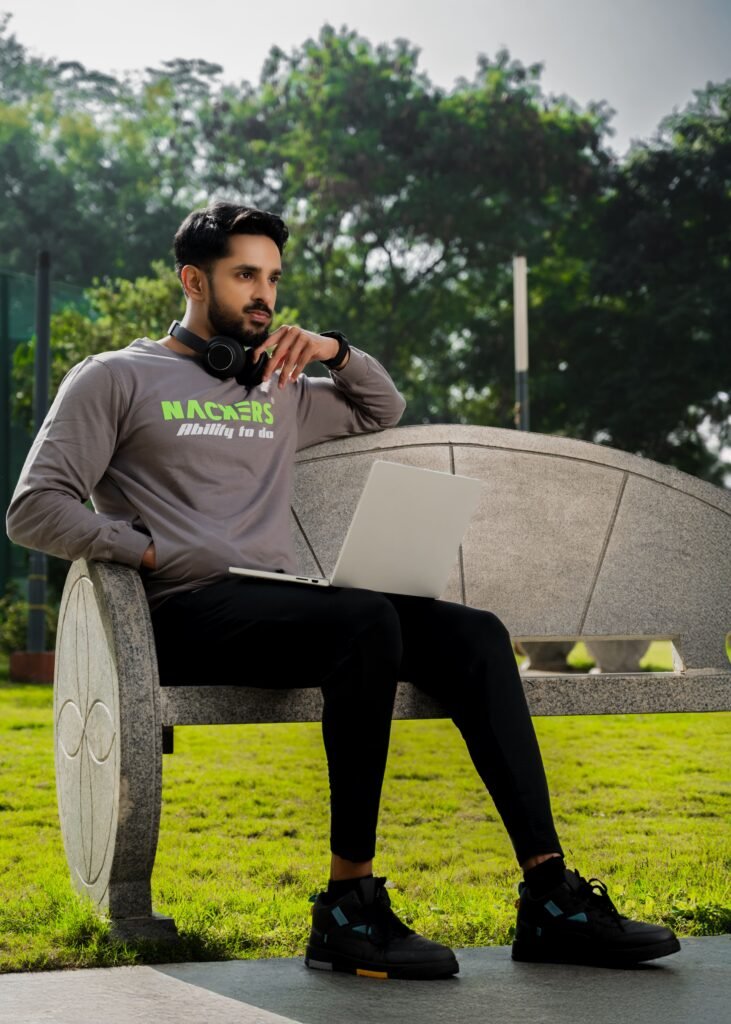
Outdoor Fashion Photography
Outdoor production provides environmental storytelling.
Locations can include:
- Urban streets
- Architecture
- Hotels
- Cafés
- Industrial spaces
- Landscapes
- Modern interiors
Outdoor fashion photography can create a stronger sense of lifestyle and context.
However, outdoor production requires additional planning around weather, permissions, travel, timing, and location availability.
Choosing the Right Lighting for Fashion Photography
Lighting should be selected according to the garment and the intended mood.
Soft Lighting
Useful for:
- Elegant fashion
- Beauty-focused campaigns
- Bridal wear
- Lifestyle imagery
- Clean catalogue photography
Hard Lighting
Useful for:
- Streetwear
- Editorial campaigns
- Contemporary fashion
- Dramatic portraits
- High-contrast concepts
Directional Lighting
Useful for creating:
- Depth
- Texture
- Dimension
- Strong shadows
Backlighting
Useful for:
- Creating separation
- Silhouette effects
- Atmospheric images
- Movement
The most effective fashion photography does not use lighting simply because it looks dramatic.
Lighting should have a purpose.
Choosing the Right Background
A background can either strengthen or weaken a fashion photograph.
For catalogue photography, clean backgrounds are often preferable.
For campaigns, the background can become part of the story.
Potential environments include:
- Minimal studio sets
- Industrial architecture
- Urban streets
- Luxury interiors
- Natural landscapes
- Heritage locations
- Modern commercial spaces
The important consideration is relevance.
A visually impressive location is not automatically a good fashion photography location.
It needs to complement the collection.
The Importance of Posing and Movement
Fashion is closely connected to movement.
Fabric moves.
Silhouettes change.
Garments fold.
Accessories respond to motion.
Professional fashion photography often incorporates walking, turning, sitting, leaning, spinning, or interacting with the environment.
Movement can be particularly effective for:
- Dresses
- Coats
- Oversized clothing
- Sarees
- Flowing fabrics
- Sportswear
- Streetwear
The objective is to show the garment behaving naturally rather than simply displaying it.
Fashion Photography for E-Commerce
E-commerce has changed the requirements of fashion photography.
Customers need information.
A beautiful hero image may attract attention, but additional images often help customers make a purchase decision.
An effective e-commerce collection may include:
- Front view
- Back view
- Side view
- Detail shot
- Fabric close-up
- Full-length photograph
- Lifestyle image
- Alternate styling
Consistency is critical.
If one product has bright lighting and another has dramatic shadows, the collection may look visually inconsistent.
A standardized production system helps maintain quality across larger catalogues.
Fashion Photography for Social Media
Social media requires a different approach to content production.
A fashion brand may need images for:
- Instagram posts
- Reels
- Stories
- Carousels
- Paid advertisements
- Website banners
This means the photographer should consider different crops during production.
A vertical 4:5 photograph may work well for an Instagram feed, while a 9:16 composition can be useful for Stories and Reels.
Planning these requirements before the shoot allows the team to capture more usable content.
Creating More Content From One Fashion Shoot
A well-planned production should not produce only a handful of photographs.
It can create an entire visual content library.
For example, one fashion shoot can generate:
Campaign Images
Used for:
- Website banners
- Launch campaigns
- Advertising
- Social media
Catalogue Images
Used for:
- Product pages
- E-commerce
- Marketplaces
Detail Images
Used to communicate:
- Fabric
- Embroidery
- Stitching
- Hardware
- Construction
Social Media Content
Used for:
- Posts
- Stories
- Carousels
- Reels
Behind-the-Scenes Content
Used to communicate the brand’s creative process.
This approach makes the production more efficient and gives brands greater value from a single shoot day.
Common Fashion Photography Mistakes Brands Should Avoid
1. Choosing a Photographer Only on Price
Photography is part of brand communication.
A cheaper production is not necessarily more cost-effective if the final imagery does not represent the brand properly.
2. Starting Without a Concept
Without a clear direction, the final images may feel disconnected.
3. Ignoring Styling
Even excellent photography cannot compensate for poor garment preparation or styling.
4. Over-Retouching
Skin and garments should look refined but believable.
5. Choosing a Location Because It Looks Good
The location should support the campaign rather than distract from it.
6. Ignoring Garment Details
Small details such as embroidery, stitching, collars, buttons, textures, and construction can communicate product quality.
7. Not Planning Content Formats
Brands should know where the final images will be used before production begins.
8. Treating Campaign Photography Like Catalogue Photography
Campaign images and catalogue images have different objectives.
Campaign photography communicates the brand.
Catalogue photography communicates the product.
Strong fashion brands often need both.
How to Make Fashion Photography Look Premium
Premium photography is not simply about expensive equipment.
It comes from deliberate creative decisions.
Start With the Concept
A strong concept creates consistency.
Invest in Styling
Professional styling elevates garments.
Use Purposeful Lighting
Lighting should reveal the product and establish mood.
Choose Appropriate Models
The model should represent the intended audience.
Pay Attention to Details
Small details influence perceived quality.
Maintain Consistency
Consistent color, framing, lighting, and retouching create a stronger visual identity.
Plan the Complete Production
Photography, video, styling, models, location, and post-production should work together.
How Much Does Fashion Photography Cost in Bangalore?
The cost of fashion photography can vary significantly depending on the production requirements.
There is no universal price because a small catalogue shoot and a large campaign production may have completely different requirements.
Factors affecting the budget can include:
- Number of SKUs
- Number of final images
- Number of models
- Photographer
- Creative direction
- Styling
- Hair and makeup
- Studio
- Location
- Props
- Set design
- Production crew
- Videography
- Retouching
- Turnaround time
- Usage requirements
For example, a brand photographing 20 products on a clean studio setup may require a very different production budget from a brand launching 100 products with multiple models, styling changes, campaign photographs, and video content.
The right approach is to define the production requirements first and then build a budget around those requirements.
How to Choose a Fashion Photographer in Bangalore
Choosing the right photographer can have a major impact on the final result.
Instead of looking only at the number of followers or the price, evaluate the portfolio.
Look for:
Consistent Lighting
Does the photographer demonstrate control over light?
Strong Composition
Do the photographs have intentional framing?
Model Direction
Do the models look natural and confident?
Styling
Are garments presented professionally?
Retouching
Does the post-production preserve realistic texture?
Brand Understanding
Does the photographer adapt the visual approach to different brands?
Production Capability
Can the team handle models, styling, studio requirements, photography, video, and post-production when required?
The best photographer is not necessarily the one with the most elaborate portfolio.
It is the one whose visual language and production capabilities align with your brand.
Fashion Photography in Bangalore
Bangalore has become an active market for fashion, D2C, lifestyle, e-commerce, and emerging brands.
The city offers a wide variety of environments for fashion photography, including professional studios, contemporary architecture, urban spaces, commercial interiors, cafés, industrial locations, and outdoor settings.
For brands operating in Bangalore, local production can make the process easier.
A local creative team can coordinate:
- Studio production
- Models
- Styling
- Makeup
- Lighting
- Photography
- Videography
- Location planning
- Post-production
At UrbanPixelites, we work with brands looking for professional fashion photography in Bangalore, combining photography with the wider creative production requirements of a campaign or collection.
Our approach is designed around the brand rather than a fixed visual template.
A streetwear campaign should not look like a luxury campaign.
An e-commerce catalogue should not be treated like an editorial.
A designer collection should have a visual direction that reflects its identity.
The production should begin with that understanding.
Why Work With a Creative Production Studio?
A fashion brand does not always need only a photographer.
Depending on the project, it may need an entire production team.
A creative production studio can coordinate multiple elements under one production workflow.
This can include:
- Creative direction
- Photography
- Videography
- Studio space
- Lighting
- Model coordination
- Styling
- Hair and makeup
- Art direction
- Props
- Production assistance
- Post-production
This integrated approach is particularly useful for brands that need photography and video from the same campaign.
Instead of organizing several vendors independently, the production can be planned around one creative direction.
At UrbanPixelites, our focus is on creating visual content that functions as part of a brand’s larger communication system.
That means understanding not only how the photograph should look, but also where it will be used and what it needs to communicate.
How Fashion Brands Can Prepare for a Photoshoot
Preparation can significantly improve production efficiency.
Before the shoot, brands should prepare:
Garments
Ensure all pieces are:
- Clean
- Steamed
- Undamaged
- Properly labeled
- Organized by SKU
Accessories
Keep shoes, jewelry, bags, belts, and other accessories ready.
Creative References
Prepare references for:
- Lighting
- Posing
- Styling
- Locations
- Color
- Composition
Product Information
For larger catalogues, maintain a clear SKU list.
Deliverable Requirements
Decide whether you need:
- Catalogue photographs
- Campaign images
- Detail shots
- Social media photographs
- Videos
- Reels
Platform Requirements
Tell the production team where the content will be used.
This allows the photographer to plan framing accordingly.
Fashion Photography for Emerging Brands
For a new fashion brand, the first collection can define how customers perceive the business.
A limited production budget does not necessarily mean the visuals need to look basic.
The production can be designed strategically.
For example, one versatile studio setup can produce:
- Catalogue photographs
- Campaign images
- Portraits
- Detail shots
- Social media content
- Short-form video
The objective is to create maximum usable content from the available production resources.
A focused concept, appropriate model, strong styling, and controlled lighting can create a sophisticated visual identity without unnecessary production complexity.
Fashion Photography for Established Brands
Established brands often require more extensive production.
Large collections may involve:
- Multiple models
- Multiple locations
- Several styling changes
- Campaign photography
- Catalogue photography
- Video
- Social media content
- Advertising assets
At this stage, consistency becomes even more important.
The visual language should remain recognizable across campaigns while allowing individual collections to have their own identity.
A documented creative direction can help maintain consistency across multiple productions.
The Future of Fashion Photography
Technology continues to change how fashion content is created.
AI-assisted workflows, advanced retouching, virtual production, computational photography, motion content, and new digital platforms are influencing commercial photography.
However, technology does not replace creative thinking.
A camera can capture an image.
Software can modify an image.
But neither independently decides:
- What story the brand should tell
- Which model represents the customer
- Why a location matters
- How clothing should be styled
- What emotion the image should create
- How the campaign should be perceived
Creative direction remains central to effective fashion photography.
Technology can make production faster and more flexible, but the strongest campaigns still begin with a clear idea.
Frequently Asked Questions About Fashion Photography
What is fashion photography?
Fashion photography is the professional creation of images featuring clothing, accessories, models, and fashion concepts for commercial, editorial, advertising, e-commerce, or brand communication purposes.
What is the difference between fashion photography and product photography?
Product photography primarily focuses on presenting the product clearly. Fashion photography often incorporates models, styling, locations, movement, lighting, and storytelling to communicate the identity surrounding the product.
How much does fashion photography cost in Bangalore?
Pricing depends on the scope of production, including the number of products, models, styling, studio or location requirements, photography, video, retouching, and final deliverables.
Should fashion photography be done in a studio or outdoors?
Both are effective. Studio production provides greater control, while outdoor photography offers environmental storytelling. The decision should be based on the campaign concept.
How many photographs should a fashion brand get from a photoshoot?
There is no fixed number. Requirements depend on the collection size, platforms, campaign objectives, and number of products.
Can one fashion shoot include photography and video?
Yes. With appropriate pre-production planning, photography and video can be produced during the same campaign.
Do fashion photographers provide models?
Some photographers and creative production teams coordinate models, while others work with models selected by the client.
Is professional styling necessary for fashion photography?
Professional styling can significantly improve the presentation of a collection. It helps create cohesive outfits and ensures that garments are presented intentionally.
How long does a fashion photoshoot take?
The timeline depends on the number of products, models, outfit changes, locations, and deliverables. Smaller shoots may take a day, while larger campaigns can require multiple production days.
What should I prepare before a fashion photoshoot?
Brands should prepare garments, accessories, styling references, creative references, SKU information, model requirements, deliverable specifications, and platform requirements.
What makes a fashion photograph look premium?
Premium results generally come from strong creative direction, appropriate lighting, professional styling, confident model direction, thoughtful composition, consistent color, and refined post-production.
How do I choose the right fashion photographer?
Review the photographer’s portfolio for lighting, composition, styling, model direction, retouching, consistency, and experience with the type of fashion content you require.
Final Thoughts
Great fashion photography is not simply about photographing attractive clothing.
It is about creating a visual language for a brand.
The model, styling, lighting, location, composition, movement, color, and post-production should all work together to communicate something intentional.
For an emerging fashion brand, professional imagery can establish credibility.
For an established label, it can strengthen brand recognition.
For an e-commerce business, it can communicate product information clearly.
For a designer, it can translate a collection into a visual story.
And for a customer, it can turn a garment on a screen into something they can imagine themselves wearing.
At UrbanPixelites, we believe effective fashion photography begins with understanding the brand before picking up the camera.
From creative direction and moodboards to studio production, lighting, model direction, photography, videography, and post-production, every stage contributes to the final visual experience.
Whether you are launching a new collection, building an e-commerce catalogue, creating a seasonal campaign, or developing a long-term content library, the objective remains the same:
Create visuals that make the brand recognizable, the collection desirable, and the story worth remembering.
Planning Your Next Fashion Shoot?
UrbanPixelites works with fashion, apparel, lifestyle, and e-commerce brands to create professional photography and commercial visual content in Bangalore.
If you have an upcoming collection or campaign, share your requirements with us and let us build the right production approach around your brand.
UrbanPixelites — Where Brands Become Visual Experiences.
